
What Makes Agile Tick in 2026
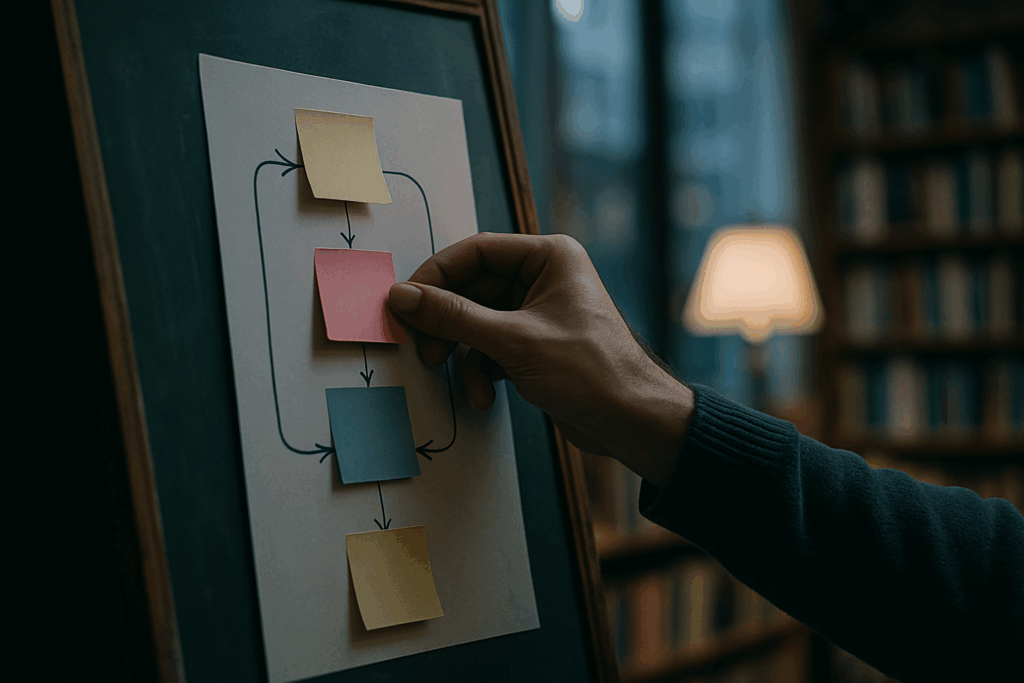
Agile works because it doesn’t fight change it leans into it. Whether it’s shifting customer priorities, tech stack updates, or market swings, Agile teams are built to flex without falling apart. That adaptability is the foundation. Instead of betting big on long term plans, Agile bets on short, useful iterations. Build something. Ship it. Learn. Repeat.
Real value hits users faster because teams don’t wait for perfection they aim for progress. Features are broken down into small, testable slices, which makes bugs easier to spot, feedback easier to collect, and pivots less painful. Everyone from product to engineering stays locked in, communicating often and collaborating tightly.
Agile isn’t chaos it’s structured feedback at high speed. That loop, running sprint after sprint, is what keeps teams sharp and products relevant.
Higher Team Engagement
Agile flips top down command on its head. Instead of developers getting handed a spec and disappearing for two months, daily stand ups, retrospectives, and planning poker make everyone an active participant. It’s not lip service teams actually speak up, catch blind spots early, and adjust course before things go sideways.
This setup builds ownership. Engineers don’t just write code they shape what ships. Progress isn’t measured in hours logged but in working features and lessons learned. When everyone’s voice matters, motivation rises. Not because there’s a ping pong table in the break room, but because the work feels like it’s theirs.
Misunderstood Roles
You can’t run Agile when no one knows who’s driving. Too often, developers are expected to write code, run stand ups, manage sprints, and act as de facto project managers. That’s not a recipe for velocity it’s a shortcut to burnout.
On the other side, product owners are stretched thin. Instead of focusing on the product vision, they’re pulled into grooming endless backlogs, answering one off questions, and firefighting. The result? Strategy takes a backseat, and teams lose clarity on where they’re headed.
Agile roles exist for a reason. When everyone plays every position, nothing gets done well. Clear role boundaries and shared understanding aren’t red tape they’re the backbone of productive teams.
Modern Best Practices That Improve Agile

Agile teams constantly evolve not just in how they build products but in how they work together. As remote and hybrid models become the norm, teams are adopting smarter approaches that preserve agility without sacrificing clarity or quality.
Optimize with Pull Based Workflows
Traditional task assignment often leads to context switching, bottlenecks, and overwhelmed teams. Pull based workflows flip that dynamic.
Let team members pull work when they’re ready, rather than have it pushed onto their plate
Reduces interruptions and fosters ownership
Encourages better prioritization and flow across daily and sprint activities
Result: A more focused team with fewer dropped threads, less burnout, and more meaningful progress.
Embrace Asynchronous Communication
Distributed teams can’t rely on back to back meetings. High performing Agile teams lean on asynchronous tools that support transparency without disrupting flow.
Use Slack threads, shared docs, and project boards instead of constant calls
Record updates via short videos or written briefings
Balance async updates with purposeful sync moments (e.g., weekly retros or planning)
Key Benefit: Allows teammates in different time zones or with focused work blocks to participate without being tied to real time availability.
Prioritize Code Quality from the Start
Agility does not excuse sloppiness. Quality is not a phase it’s baked into the process. The best teams treat code reviews not as chores, but as essential conversations.
Build review time into every sprint
Give helpful, constructive feedback avoid nitpicking and focus on design, clarity, and maintainability
Use automated checks for styling and formatting so human reviews can focus on logic and structure
Further Reading: Code Reviews Best Practices for Modern Teams
Takeaway: Modern Agile succeeds when workflows, communication, and quality all evolve together. Don’t just do Agile continually refine how you work within it.
Final Take: Agile Is Effective When Done Right
Agile methodologies have transformed how modern teams build, test, and deliver. But like any approach, Agile is only as effective as the discipline and mindset behind it. For teams that succeed, a few core principles hold true:
Focus on What Matters
Cut unnecessary rituals keep only what drives clarity and momentum
Embrace minimal viable processes, not maximal templates
Stay Lean, Iterate Fast
Deliver value early and often
Let each sprint be a feedback opportunity, not just a checkbox
Avoid gold plating or obsessing over ‘perfect’ designs upfront
Feedback Is a Feature, Not a Phase
Build continuous feedback into every layer: product, process, and people
Use retrospectives, code reviews, and customer input to guide direction
Adjust quickly and transparently, even mid sprint if needed
Final Thought
Agile isn’t a silver bullet, but when teams stay disciplined, focused, and user centered, it creates real impact. The most effective teams don’t just adopt Agile they live it through their cadence, culture, and commitment to constant improvement.