

AI Goes Mainstream (For Real This Time)
Everyday AI: From Buzzword to Baseline
Once considered a frontier technology, generative AI has solidified its place in daily workflows across industries. In 2026, AI is no longer an interesting experiment it’s a standard utility.
AI writing assistants are now integrated into office suites
Design teams rely on AI image generators for faster prototyping
Customer service bots leverage large language models for more human like interactions
From solopreneurs to enterprise firms, generative AI has moved from novelty to necessity.
Rise of AI Copilots
The surge in AI copilots across disciplines has defined the AI landscape of 2026. These smart assistants aren’t just helping they’re transforming how we build, create, and solve.
Coding: AI copilots suggest entire code blocks, debug in real time, and learn developer habits
Design: Visual copilots draft wireframes, generate layouts, and even predict UX friction points
Productivity: Autosummarizers, task forecasters, and meeting recap bots are now baked into work apps
Instead of replacing human input, these tools enhance creativity and reduce cognitive load.
Regulation Catches Up
With widespread use came serious scrutiny. Governments spent the first half of 2026 racing to regulate AI’s reach, ethics, and influence on daily life.
Key Policy Shifts:
The EU rolled out its Digital AI Ethics Act, setting strict consent and transparency standards
In the US, a federal AI oversight commission was established to evaluate safety, bias risks, and accountability
Asia Pacific countries introduced region specific compliance codes for AI in finance and education
Global momentum is moving toward transparency, explainability, and controls over how and where AI operates.
The 2026 Takeaway
Generative AI is no longer a future promise it’s a present reality. But with great power comes greater responsibility. For creators, professionals, and regulators alike, the challenge ahead is not just building with AI, but building wisely.
Quantum Computing Hits a Milestone
Quantum computing has stopped being a science fair project. In the first half of 2026, we saw heavyweights like IBM and Google move beyond lab demos into reliable quantum tests that actually function in real world conditions. Meanwhile, startups well funded and laser focused are building practical tools instead of just chasing theory. What used to be a jargon filled concept is now sliding into beta tests across industries.
These aren’t just cool experiments. We’re talking about logistics companies running route optimizations using quantum speedups. Banks simulating risk models with levels of complexity classical systems can’t keep up with. Encryption methods getting battle tested against quantum decryption to prepare for what’s next. Finance, security, and supply chains all have skin in the game now.
This wasn’t the year quantum exploded. It’s the year it got quiet, fast, and useful. No drama. Just progress under the hood.
Consumer Electronics Get Smarter and Simpler
2026 has seen a shift in consumer electronics not just in capability, but in user experience, integration, and sustainability. The era of isolated smart devices is coming to a close. Today’s gadgets are not only more intelligent, but also more intuitive.
Seamless Smart Home Integration
Smart home systems have finally achieved what years of innovation promised: true interoperability.
Devices from different brands now communicate reliably across common protocols
Open source ecosystems (like Matter) are enabling plug and play functionality
Users benefit from simplified setup and coordinated device behavior
This change makes managing your connected home less about apps and more about automation that simply works.
Smart Wearables Redefined by Health
Wearables have reached new levels of relevance by focusing on health diagnostics that are both advanced and non invasive.
New devices monitor hydration, glucose, and cortisol levels without breaking the skin
Personalized health insights are now AI driven, offering real time feedback
Demand for these health focused wearables has surged globally, especially in wellness focused markets
This isn’t just fitness tracking it’s preventative healthcare at your wrist.
Where Electronics Meet Sustainability
Design and function have finally aligned with eco conscious principles. The latest wave of products focuses on:
Recycled and recyclable materials in device casings and packaging
Energy efficient components designed for low power consumption
Modular designs promoting longer device lifecycles and easier repairs
These trends highlight how sustainability is no longer a niche concern it’s shaping the mainstream.
To explore standout products and innovations shaping this new era of smart tech, check out the full guide: Latest innovations 2026
Space Tech Steps Into Daily Life
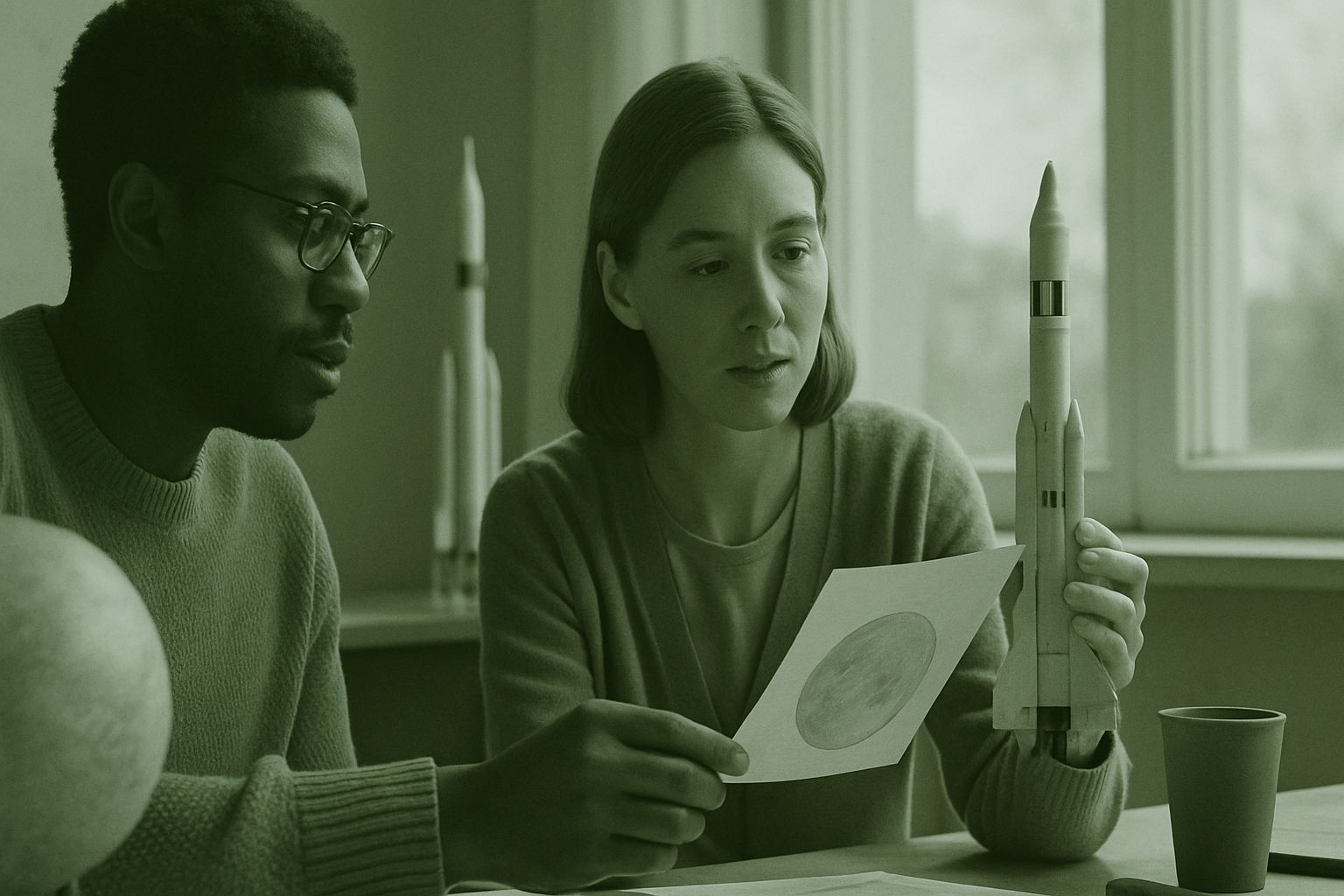
The first half of 2026 marked a turning point in space technology not as a buzzword, but as an active infrastructure woven into everyday lives. From communications to connectivity, what was once speculative has rapidly become tangible.
Low Earth Orbit (LEO) Internet Goes Global
Global internet coverage from low Earth orbit satellite networks is no longer on the horizon it’s already here. Major players, including Starlink, OneWeb, and newer entrants from Asia and Europe, completed large scale deployments, bringing connectivity to the most remote regions on Earth.
Full LEO constellations now provide near total global coverage
Latency and speed have improved enough to rival ground based broadband in many areas
Governments in developing nations are leveraging LEO access for national education and commerce initiatives
Private Companies Scale Micro Satellite Delivery
The commercial space race has matured, with private firms now regularly launching micro satellites at scale. These systems are smaller, cheaper, and more energy efficient than traditional satellites, yet powerful enough to support major infrastructure upgrades.
Reusable launch vehicles lower costs for regular satellite deployment
Micro satellites are used for weather monitoring, supply chain tracking, and emergency services
Satellite as a Service (SaaS) platforms gain popularity for enterprise use
Expanding Access, Bridging the Gap
At the core of these innovations lies a long overdue result: better connectivity for rural and underserved populations.
Remote areas can now tap into high speed internet for education, healthcare, and e commerce
Agricultural sectors benefit from satellite powered data tools
Digital inclusion becomes a realistic goal, not just a policy talking point
This isn’t just a win for technology it’s a leap for global equity in information access.
Cybersecurity Takes a Leap Forward
Cybersecurity in 2026 isn’t just smarter it’s finally efficient. AI driven threat detection has gone from buzzy proof of concept to baseline tech. If your system doesn’t have real time anomaly spotting powered by machine learning, you’re behind. From small businesses to multi nationals, the new standard is autonomous defense automated tools that adapt faster than attackers can iterate.
But staying secure isn’t just about smarter tech it’s about trust. Decentralized identity (DID) is now gaining real traction. No more handing your data to every app you use. Instead, individuals hold cryptographic keys that prove who they are without shelling out their personal info. It’s privacy first and friction light. And it’s turning heads in sectors from social media to healthcare.
Meanwhile, governments stop playing catch up. A wave of global coordination around data privacy reforms sparked by mounting breaches and cross border data misuse has created a more unified playbook. Think GDPR 2.0, but with broader enforcement. For the first time in years, legal frameworks are starting to move at the same pace as digital threat actors.
The result: cybersecurity now protects people as much as systems. And that’s a big shift.
EV Infrastructure Finally Clicks
After years of half promises and pilot projects, EV infrastructure is finally keeping pace with adoption. Coast to coast charging in the U.S. and similar rollouts across Europe and parts of Asia are now functional realities, thanks to the expanded deployment of ultra fast charging corridors along major highways. What once took hours now gets done in under twenty minutes just long enough for a snack break. The result? Less range anxiety, more roadtrips, and a big win for mainstream EV adoption.
But it doesn’t stop at speed. What’s quietly revolutionizing the grid is V2G Vehicle to Grid technology. In 2026, it’s actually working. EVs are beginning to serve not just as transport, but as rolling energy buffers. During peak hours or grid strain events, cars can push unused power back into the system. That kind of bi directional flow used to be a whiteboard fantasy. Now, it’s getting wired into real world energy strategies.
None of this happened in a vacuum. Government incentives, utility cooperation, and aggressive private investment finally lined up. In short, we’re seeing the result of coordinated effort and the end of the EV infrastructure excuse.
Wrapping Up the Tech Pulse
The first half of 2026 didn’t chase headlines it delivered. After years of big promises and flashy beta demos, innovation finally took root in the everyday. AI isn’t just hype anymore; it’s in your productivity tools, your design workflow, maybe even helping your kid with homework. Quantum computing crossed a real threshold. Consumer tech wearables, home devices, EVs got cleaner, leaner, and smarter in ways that actually matter. Interoperability isn’t just a talking point. It’s here.
The tech scene didn’t slow down. It matured. This year feels like the line between ‘what’s coming’ and ‘what’s here.’ We’re no longer waiting to see if tech can solve big problems. Now it’s about how well we implement it without losing the thread of practicality.
For a closer look at the most impactful devices and platforms of 2026 so far, check out the Latest innovations 2026.
 There is a specific skill involved in explaining something clearly — one that is completely separate from actually knowing the subject. Jorelle Xelvaris has both. They has spent years working with programming and coding tutorials in a hands-on capacity, and an equal amount of time figuring out how to translate that experience into writing that people with different backgrounds can actually absorb and use.
Jorelle tends to approach complex subjects — Programming and Coding Tutorials, Latest Tech News, Emerging Technologies being good examples — by starting with what the reader already knows, then building outward from there rather than dropping them in the deep end. It sounds like a small thing. In practice it makes a significant difference in whether someone finishes the article or abandons it halfway through. They is also good at knowing when to stop — a surprisingly underrated skill. Some writers bury useful information under so many caveats and qualifications that the point disappears. Jorelle knows where the point is and gets there without too many detours.
The practical effect of all this is that people who read Jorelle's work tend to come away actually capable of doing something with it. Not just vaguely informed — actually capable. For a writer working in programming and coding tutorials, that is probably the best possible outcome, and it's the standard Jorelle holds they's own work to.
There is a specific skill involved in explaining something clearly — one that is completely separate from actually knowing the subject. Jorelle Xelvaris has both. They has spent years working with programming and coding tutorials in a hands-on capacity, and an equal amount of time figuring out how to translate that experience into writing that people with different backgrounds can actually absorb and use.
Jorelle tends to approach complex subjects — Programming and Coding Tutorials, Latest Tech News, Emerging Technologies being good examples — by starting with what the reader already knows, then building outward from there rather than dropping them in the deep end. It sounds like a small thing. In practice it makes a significant difference in whether someone finishes the article or abandons it halfway through. They is also good at knowing when to stop — a surprisingly underrated skill. Some writers bury useful information under so many caveats and qualifications that the point disappears. Jorelle knows where the point is and gets there without too many detours.
The practical effect of all this is that people who read Jorelle's work tend to come away actually capable of doing something with it. Not just vaguely informed — actually capable. For a writer working in programming and coding tutorials, that is probably the best possible outcome, and it's the standard Jorelle holds they's own work to.