

You know that feeling when you scroll through your feed and see a profile hidden face mirror selfie? It’s like a cool, mysterious vibe that just draws you in. You probably want to capture that same artistic, shy, or private feel in your own photos.
I get it. This guide will show you everything from setting up the shot to posing and editing.
It’s not just about hiding your face; it’s about shifting the focus to your outfit, the mood, and the overall composition. This trend is popular for a reason. People love it because it lets them express themselves creatively while also keeping some privacy.
What Defines the Hidden Face Mirror Selfie?
A hidden face mirror selfie is a self-portrait taken in a mirror where the subject’s face is intentionally obscured, often by the phone itself, from a profile or side angle. The core appeal, and it’s all about mystery and anonymity .
This style puts the spotlight on fashion or the surrounding environment. Unlike regular selfies, it uses specific techniques to hide the face—like precise phone placement or using a hand or hair.
Why do people love it? It lets them share a part of themselves without feeling fully exposed. Think of it as a way to be seen but not completely revealed.
There are a few variations. One is where the phone completely covers the face, creating a full sense of mystery. Another is when the face is just partially obscured, giving a peek at the eyes or mouth.
The profile hidden face mirror selfie is especially popular. It adds an extra layer of intrigue, making you wonder what the person looks like from the front.
It’s a trend that taps into our desire for privacy and self-expression. Just like in movies where a character’s face is hidden, it leaves room for imagination.
Setting the Scene: Your Gear and Background Checklist
A clean mirror is key. Streaks and smudges can ruin a good shot. Use a microfiber cloth and a vinegar solution to get it spotless.
Lighting makes or breaks your photo. Soft, natural light from a window is often best. Position yourself so the light hits you from the side or in front, not behind.
Background choice matters, and go for something simple and uncluttered. It shouldn’t distract from you.
A plain wall or a tidy room works well.
Phone handling is crucial. Wipe the camera lens with a soft cloth. Use the timer function to avoid camera shake and give yourself more posing freedom.
The type of mirror can change the vibe. A full-length mirror is great for outfit shots. A smaller, decorative one adds an artistic feel.
For a profile hidden face mirror selfie, make sure the background complements the overall aesthetic. Keep it simple but interesting.
A Step-by-Step Guide to Posing and Capturing the Shot
I remember the first time I tried taking a profile hidden face mirror selfie. It felt awkward, and I didn’t know where to start. But with a bit of practice, I got the hang of it.
Here’s how you can do it too.
First, find your angle. Stand sideways to the mirror to achieve that ‘profile’ look. Experiment with turning your body slightly.
This small adjustment can make a big difference in how the photo turns out. profile hidden face
Next, position the phone. Hold it in a way that strategically covers your face. Raising or lowering the phone can change the composition and what parts of your body are visible.
Play around with it until you find the right spot.
Body language is key. Since your face is hidden, posture, hand placement, and head tilt become crucial for conveying a mood. Try putting your hand in your pocket or on your hip.
Tilt your head slightly for a more relaxed vibe.
There are other creative ways to obscure your face. Use a sweep of hair, the collar of a jacket, or even a prop like a book or flower. These can add a unique touch to your photo.
Take multiple photos, and don’t just settle for one shot. Take a burst of photos while making small adjustments to your pose, angle, and phone position.
This gives you more options to choose from later.
Remember, the goal is to have fun and capture a moment. So, relax, experiment, and enjoy the process.
Editing Secrets to Enhance the Moody Aesthetic
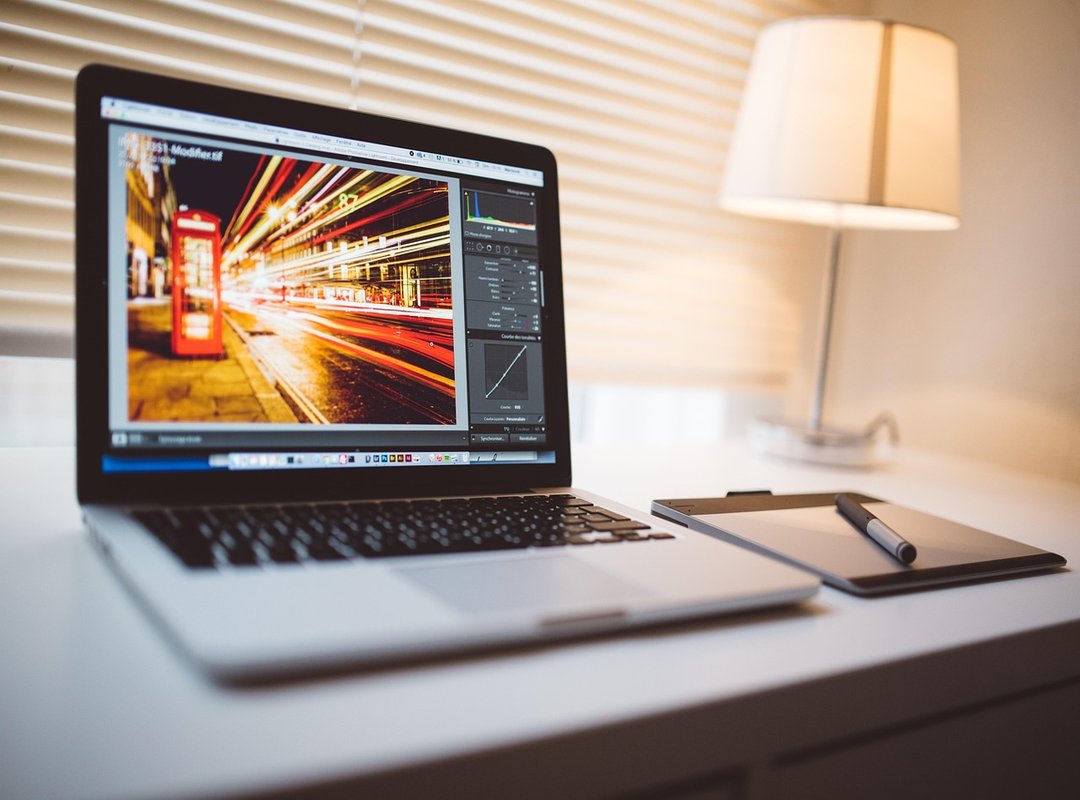
Cropping is key. It can transform a good photo into a great one. Use the rule of thirds to position your subject off-center.
This creates a more dynamic and interesting composition.
Vintage, black and white, or low-saturation filters work well for a moody feel. These filters add a touch of nostalgia and depth to your images.
Adjusting brightness, contrast, and shadows can make a huge difference. Tweak these settings to highlight your outfit or create a dramatic, silhouetted effect. Play around until you find the right balance.
Adding a bit of grain can enhance the artistic or film-like quality of the photo. It gives your image a textured, authentic look.
VSCO and Instagram’s built-in editor are user-friendly and offer great tools. In VSCO, try the C1 or S2 presets. For Instagram, use the Clarendon or Gingham filters.
Adjust the intensity to your liking.
A profile hidden face mirror selfie can be especially moody. The reflection adds an extra layer of intrigue and mystery. Give it a shot and see how it transforms your feed.
Go Beyond Hiding and Start Expressing Yourself
A clean mirror, good lighting, strategic posing, and thoughtful editing are the pillars of a great hidden face selfie. This photo style is a powerful form of self-expression. It allows the focus to be on style, emotion, and artistry rather than a direct facial portrait.
Stop overthinking and start experimenting with the techniques discussed. Challenge yourself to take your own profile hidden face mirror selfie and see how creative you can be.
 There is a specific skill involved in explaining something clearly — one that is completely separate from actually knowing the subject. Randy Bennettacion has both. They has spent years working with latest tech news in a hands-on capacity, and an equal amount of time figuring out how to translate that experience into writing that people with different backgrounds can actually absorb and use.
Randy tends to approach complex subjects — Latest Tech News, Programming and Coding Tutorials, Emerging Technologies being good examples — by starting with what the reader already knows, then building outward from there rather than dropping them in the deep end. It sounds like a small thing. In practice it makes a significant difference in whether someone finishes the article or abandons it halfway through. They is also good at knowing when to stop — a surprisingly underrated skill. Some writers bury useful information under so many caveats and qualifications that the point disappears. Randy knows where the point is and gets there without too many detours.
The practical effect of all this is that people who read Randy's work tend to come away actually capable of doing something with it. Not just vaguely informed — actually capable. For a writer working in latest tech news, that is probably the best possible outcome, and it's the standard Randy holds they's own work to.
There is a specific skill involved in explaining something clearly — one that is completely separate from actually knowing the subject. Randy Bennettacion has both. They has spent years working with latest tech news in a hands-on capacity, and an equal amount of time figuring out how to translate that experience into writing that people with different backgrounds can actually absorb and use.
Randy tends to approach complex subjects — Latest Tech News, Programming and Coding Tutorials, Emerging Technologies being good examples — by starting with what the reader already knows, then building outward from there rather than dropping them in the deep end. It sounds like a small thing. In practice it makes a significant difference in whether someone finishes the article or abandons it halfway through. They is also good at knowing when to stop — a surprisingly underrated skill. Some writers bury useful information under so many caveats and qualifications that the point disappears. Randy knows where the point is and gets there without too many detours.
The practical effect of all this is that people who read Randy's work tend to come away actually capable of doing something with it. Not just vaguely informed — actually capable. For a writer working in latest tech news, that is probably the best possible outcome, and it's the standard Randy holds they's own work to.