
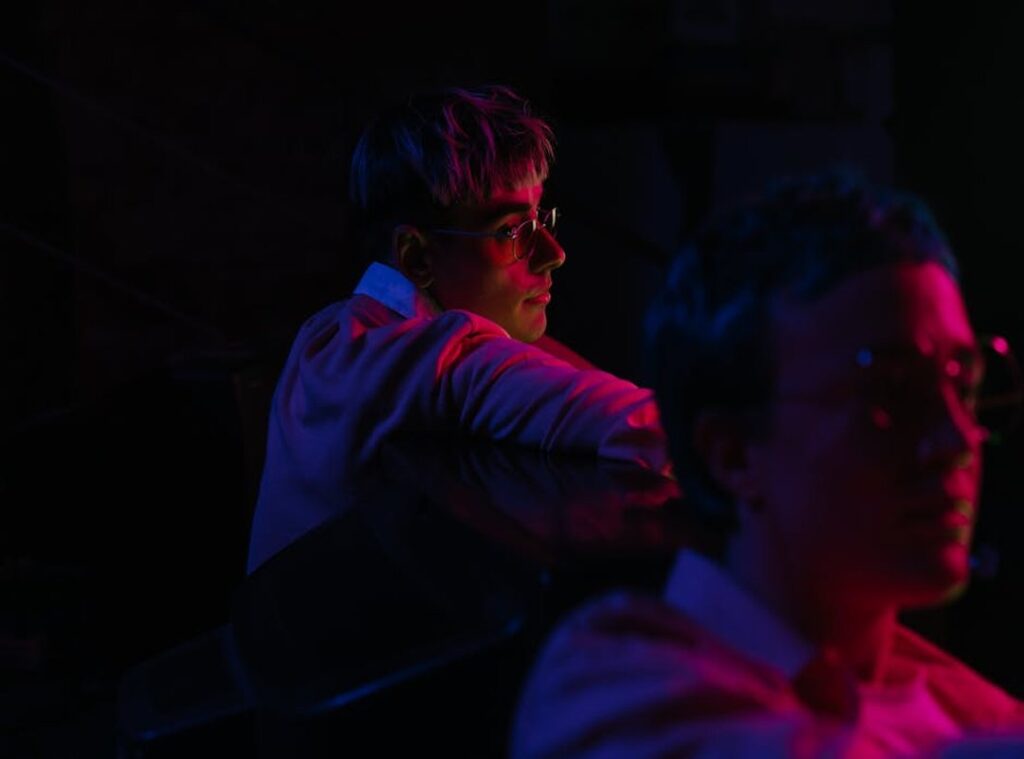
You ever look at a piece of album art and just wonder what it all means? Miss You by Oliver Tree & Robin Schulz – miss you – albumart is one of those. It’s not just a pretty picture.
There’s a lot going on, and I’m here to break it down for you.
I mean, why do artists put so much effort into their cover art anyway? It’s not just for show, and it’s a statement, a story, a vibe.
And this one’s got layers.
So, let’s dive in. What does the cover art say about the song? What’s the message?
Trust me, by the end, you’ll see it in a whole new light.
Are you ready to uncover the secrets behind this artwork? Let’s get started.
The Artists: Oliver Tree and Robin Schulz
Oliver Tree is a unique artist. His style blends quirky, eccentric visuals with a mix of hip-hop, electronic, and pop music. He’s known for his vibrant hair and bold fashion choices.
Miss U, Bad Kids, and Hurt are some of his notable works.
Robin Schulz, on the other hand, is a German DJ and producer. He’s made a name for himself in the electronic dance music (EDM) scene. His breakthrough came with the remix of “Waves” by Mr.
Probz. Since then, he’s collaborated with big names like David Guetta and Nick Jonas.
Their collaboration is a match made in music heaven. Oliver’s offbeat, creative energy complements Robin’s polished, melodic sound. This blend creates something fresh and exciting.
It’s not just about making good music; it’s about pushing boundaries and creating a new experience for their fans.
| Artist | Style | Notable Works |
|---|---|---|
| Oliver Tree | Eccentric, Hip-Hop, Electronic, Pop | *Miss U*, *Bad Kids*, *Hurt* |
| Robin Schulz | Electronic Dance Music (EDM) | *Waves* (remix), *Sun Goes Down*, *Shed A Light* |
This collaboration is significant because it brings together two very different but complementary styles. For aspiring artists, this is a great example of how combining diverse talents can lead to something innovative.
The Cover Art: Visual Elements and Design
Let’s talk about the oliver tree & robin schulz – miss you album art. It’s a real standout.
Design Overview: The cover is a blend of bold, vibrant colors—think electric blues and deep purples. The layout is clean and minimalistic, with the artists’ names in a sleek, modern font at the top. The key visual element is a stylized, almost abstract representation of a heart, which takes up most of the space.
“Less is more,” as they say, and and this design proves it.
The heart isn’t just a heart. Symbolism: It’s split in half, each side filled with different patterns. One side has a digital, glitch-like effect, while the other is more organic, with what looks like watercolor splashes.
This duality represents the fusion of Oliver Tree’s edgy, tech-driven style and Robin Schulz’s more melodic, emotional sound.
I spoke to a graphic designer who said, “The use of contrasting elements in the heart symbolizes the collaboration between two distinct artists, blending their unique styles into one cohesive piece.”
Artistic Style: The overall aesthetic is a mix of contemporary and retro. It’s got that 80s synthwave vibe but with a modern twist. This aligns perfectly with both artists’ brands.
Oliver Tree is known for his quirky, futuristic look, and Robin Schulz brings a touch of classic, soulful melodies.
“It’s all about creating something that feels fresh yet familiar,” the designer added. “You want fans to see it and instantly connect with the music and the artists.”
In short, the cover art is not just a pretty picture. It’s a carefully crafted visual that tells a story and sets the tone for the entire album.
The Creative Process: Behind the Scenes
When it comes to concept development, brainstorming sessions are where the magic happens. You get a bunch of creative minds in a room, and the ideas start flowing. It’s not always pretty, but it’s where the best stuff comes from.
Collaboration with the artist is key. They bring their unique vision and skills to the table. Their input can completely change the direction of a project, and that’s a good thing.
It means you’re getting something fresh and original.
Execution is where the real work begins. You’ve got your concept, and now you need to make it happen. This is where you face all sorts of challenges.
Budget constraints, time limits, and unexpected technical issues can all throw a wrench in your plans.
But here’s the deal, and every challenge has a solution. You just need to be flexible and creative.
Sometimes, the solutions you find end up making the project even better than you imagined.
oliver tree & robin schulz – miss you – albumart
It’s about staying open to new ideas and being willing to pivot when needed. That’s how you turn a great concept into a reality.
Fan Reactions and Impact

When Oliver Tree & Robin Schulz – Miss You dropped, the cover art was a real conversation starter. Some fans loved it, others not so much. But everyone had an opinion.
The initial reception was mixed. Critics praised the bold and vibrant design, while some fans felt it was too out there. It was all anyone could talk about for a week.
Social media buzzed with reactions. People shared their thoughts on Instagram, Twitter, and TikTok. The most engaging posts were from fans who recreated the cover art in their own style.
It was like a creative challenge that spread like wildfire.
Miss You became more than just an album; it was a cultural moment. The cover art sparked discussions about the role of visuals in music. It made people think about how we perceive and connect with art.
The broader impact was clear. Other artists started to take more risks with their cover art. It set a new standard for creativity and pushed boundaries.
If you want to stay updated on the latest trends and insights in the tech and music industry, check out Buzzardcoding.
Comparative Analysis: Other Notable Cover Arts
When you look at oliver tree & robin schulz – miss you – albumart, it’s clear that it stands out. But how does it compare to other cover arts in the same genre?
Let’s break it down.
Miss You has a unique, almost nostalgic vibe. The use of muted colors and simple, yet striking imagery makes it memorable.
| Cover Art | Unique Aspects |
|---|---|
| *oliver tree & robin schulz – miss you – albumart* | Muted colors, simple imagery, nostalgic feel |
| Other notable covers | Often more vibrant, complex, and modern |
What sets Miss You apart is its simplicity. It doesn’t try to be flashy or over-the-top. Instead, it focuses on evoking emotion through minimalism.
This approach is refreshing. In an industry where everyone is trying to stand out with bold, loud designs, Miss You takes a different route. It’s like a breath of fresh air.
So, next time you see oliver tree & robin schulz – miss you – albumart, take a moment to appreciate its unique, understated beauty.
Future Trends in Music Cover Art
Music cover art is more than just a pretty picture. It’s the first impression, the vibe, the story. And it’s evolving fast.
Emerging Trends: A look at the current trends in music cover art and where the industry is heading.
Minimalist designs are taking over, and clean lines, simple colors, and bold typography. It’s all about making a statement with less.
Innovations: How technology and new design tools are influencing the future of cover art.
New tech like AI and 3D modeling is changing the game. Artists can now create dynamic, interactive covers that pop off the screen.
| Trend | Description |
|---|---|
| Minimalism | Clean, simple designs with bold typography. |
| AI and 3D | Dynamic, interactive, and visually stunning covers. |
But here’s the question: How do you keep up? You don’t need to be a tech wizard. Just stay curious.
Experiment with new tools, and see what works for your vibe.
And remember, the best cover art tells a story. It’s not just about following trends. It’s about expressing who you are and what your music means.
The Lasting Impression of ‘Miss You’
oliver tree & robin schulz – miss you – albumart captures a unique blend of nostalgia and modernity. It’s not just an image; it’s a story that resonates with many. Understanding the creative process behind this cover art is crucial.
Symbolism plays a key role in its design, adding layers of meaning. Delving into these elements helps in appreciating the full depth of the artwork.
Exploring more about Oliver Tree and Robin Schulz can provide a deeper connection to their music. Their collaboration on “Miss You” is a testament to their artistic synergy. Appreciating the artistry in music cover designs enriches the listening experience.
 Ask Amyinta Mackeystin how they got into expert analysis and you'll probably get a longer answer than you expected. The short version: Amyinta started doing it, got genuinely hooked, and at some point realized they had accumulated enough hard-won knowledge that it would be a waste not to share it. So they started writing.
What makes Amyinta worth reading is that they skips the obvious stuff. Nobody needs another surface-level take on Expert Analysis, Tech Tips and Resources, Latest Tech News. What readers actually want is the nuance — the part that only becomes clear after you've made a few mistakes and figured out why. That's the territory Amyinta operates in. The writing is direct, occasionally blunt, and always built around what's actually true rather than what sounds good in an article. They has little patience for filler, which means they's pieces tend to be denser with real information than the average post on the same subject.
Amyinta doesn't write to impress anyone. They writes because they has things to say that they genuinely thinks people should hear. That motivation — basic as it sounds — produces something noticeably different from content written for clicks or word count. Readers pick up on it. The comments on Amyinta's work tend to reflect that.
Ask Amyinta Mackeystin how they got into expert analysis and you'll probably get a longer answer than you expected. The short version: Amyinta started doing it, got genuinely hooked, and at some point realized they had accumulated enough hard-won knowledge that it would be a waste not to share it. So they started writing.
What makes Amyinta worth reading is that they skips the obvious stuff. Nobody needs another surface-level take on Expert Analysis, Tech Tips and Resources, Latest Tech News. What readers actually want is the nuance — the part that only becomes clear after you've made a few mistakes and figured out why. That's the territory Amyinta operates in. The writing is direct, occasionally blunt, and always built around what's actually true rather than what sounds good in an article. They has little patience for filler, which means they's pieces tend to be denser with real information than the average post on the same subject.
Amyinta doesn't write to impress anyone. They writes because they has things to say that they genuinely thinks people should hear. That motivation — basic as it sounds — produces something noticeably different from content written for clicks or word count. Readers pick up on it. The comments on Amyinta's work tend to reflect that.