
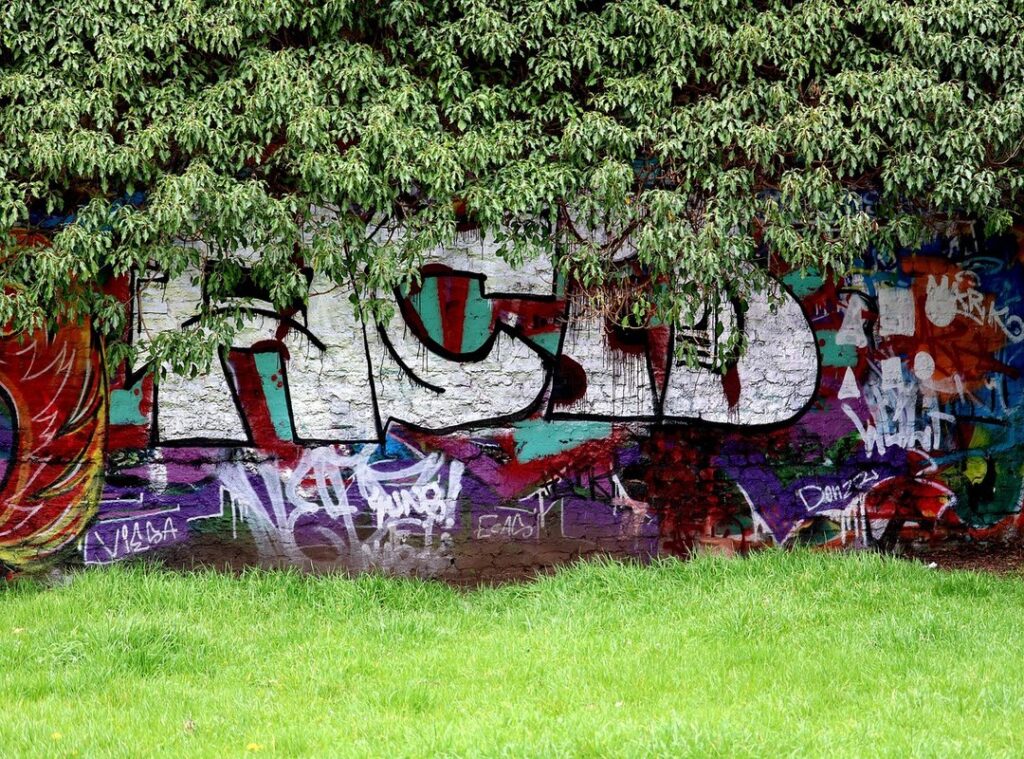
Have you ever come across an art style that feels both ancient and modern at the same time? It’s a rare blend, but liyawel art does just that. This unique and expressive form combines intricate detail with profound cultural meaning.
My goal here is to give you a clear and comprehensive guide to this captivating art. By the end, you’ll understand what liyawel art is, how it’s made, and how to appreciate its unique beauty.
What Is Liyawel Art? Exploring Its Origins and Meaning
Liyawel art is a unique and vibrant form of expression that emphasizes the beauty of nature, spirituality, and community. It’s all about capturing the essence of life through intricate designs and bold colors. The style is believed to have originated in a small, isolated region where the natural world and spiritual beliefs were deeply intertwined.
The name “Liyawel” itself is thought to be derived from an ancient word meaning “sacred vision,” reflecting the art’s purpose of providing a window into the spiritual and natural realms.
Common themes in liyawel art include the celebration of the natural world, the importance of spiritual connection, and the strength of community bonds. These themes are often depicted through detailed, symbolic imagery that tells a story or conveys a deeper message.
Key figures in the development of this art form are largely unknown, but it’s believed that a group of local artists and spiritual leaders played a crucial role in its creation and popularization.
If you’re familiar with more well-known styles like impressionism, you’ll find that liyawel art stands out with its focus on spiritual and natural elements, rather than just visual impressions.
Looking ahead, I think we’ll see more global interest in liyawel art as people seek deeper connections with both nature and their own inner worlds. As our lives get busier and more disconnected, this art form offers a way to ground ourselves and find meaning.
The Defining Characteristics of the Liyawel Style
When you first see liyawel art, it’s the colors that grab you. Earthy tones like deep browns and rich greens dominate. But it’s the vibrant accents—bold reds, electric blues—that really make the pieces pop.
“Why those colors?” I asked a local artist once. “They ground us in nature but also show our spirit,” she replied. It’s a balance between the natural world and human emotion.
The lines and shapes in liyawel art are just as telling. Flowing organic lines mimic the curves of rivers and hills. Repeating geometric patterns add a sense of order and rhythm.
These elements often blend seamlessly, creating a visual harmony that’s both calming and energizing.
Texture and materials play a huge role too. Artists frequently use natural pigments and canvas made from plant fibers. This not only adds an authentic feel but also connects the artwork to the land.
Composition is where things get interesting. Symmetry is common, giving a balanced, almost meditative quality. Negative space is used to highlight key elements, making them stand out.
Layered elements create depth, drawing you into the story of the piece.
The emotional impact is what makes liyawel art so powerful. Whether it’s a sense of peace, energy, or a connection to a deeper narrative, each piece aims to evoke something real and tangible.
Symbolism You’ll See
- The Spiral: Often seen in liyawel art, the spiral represents growth and transformation. “It’s about moving forward while staying rooted,” one artist explained.
- The Tree: A symbol of life and resilience. “Trees remind us of our strength and our connection to the earth,” another artist told me.
These symbols and the overall style of liyawel art create a unique and deeply meaningful experience. Buzzardcoding
How Liyawel Art Is Made: A Look at the Creative Process

Creating liyawel art is a unique and intricate process. Let’s break it down into simple steps and highlight the essential tools and techniques.
Essential Tools and Materials
| Tool | Description |
|---|---|
| Brushes | Fine-tipped brushes for detailed work |
| Paints | Watercolors or acrylics, depending on the artist’s preference |
| Inks | For bold outlines and fine details |
| Paper | High-quality, thick paper to handle multiple layers |
| Unconventional Instruments | Sponges, toothpicks, and even fingers for texture |
The Creation Process
Preparation:
Start by gathering all your materials. Make sure your workspace is clean and well-lit. It’s important to have everything within reach.
Sketching/Outlining:
Begin with a light pencil sketch. This will be your guide. Don’t worry about perfection; the outline is just a starting point.
Layering:
Add layers of paint gradually. Start with lighter colors and build up to darker tones. Each layer should dry completely before adding the next.
Patience is key here.
Finishing:
Once the layers are complete, add final touches with inks or more paint. This is where you can add small details that make the piece stand out.
Signature Technique
One signature technique in liyawel art is dry brushing. This involves using a nearly dry brush to create a textured, almost scratchy effect. It adds depth and a unique, almost ethereal quality to the artwork.
Patience and Precision
Liyawel art requires a lot of patience and precision. It’s a meditative practice, and each step takes time. But the end result is worth it.
The process itself can be very calming and rewarding.
Advice for Beginners
If you’re inspired to try creating your own liyawel-inspired piece, start small. Begin with a simple design and focus on mastering the basic techniques. Practice makes perfect, and there’s no rush.
Intention and Storytelling
Remember, liyawel art is more than just a technical skill. It’s about intention and storytelling. Each piece tells a story, and the artist’s intention is a crucial part of that.
So, take your time, and let your creativity flow.
How to Appreciate and Find Liyawel Art Today
To fully appreciate the complexity and skill in liyawel art, pay attention to the intricate patterns, use of color, and the storytelling elements embedded within each piece. These artworks often carry deep cultural and historical significance.
Explore online galleries, cultural museums, and artist communities on social media to find stunning examples of this unique style.
Engage with the artists or curators if possible. Learning the story behind each piece can greatly enhance your appreciation and understanding.
As liyawel art gains more recognition, it is poised to become an increasingly influential part of the contemporary art world.
 Ask Amyinta Mackeystin how they got into expert analysis and you'll probably get a longer answer than you expected. The short version: Amyinta started doing it, got genuinely hooked, and at some point realized they had accumulated enough hard-won knowledge that it would be a waste not to share it. So they started writing.
What makes Amyinta worth reading is that they skips the obvious stuff. Nobody needs another surface-level take on Expert Analysis, Tech Tips and Resources, Latest Tech News. What readers actually want is the nuance — the part that only becomes clear after you've made a few mistakes and figured out why. That's the territory Amyinta operates in. The writing is direct, occasionally blunt, and always built around what's actually true rather than what sounds good in an article. They has little patience for filler, which means they's pieces tend to be denser with real information than the average post on the same subject.
Amyinta doesn't write to impress anyone. They writes because they has things to say that they genuinely thinks people should hear. That motivation — basic as it sounds — produces something noticeably different from content written for clicks or word count. Readers pick up on it. The comments on Amyinta's work tend to reflect that.
Ask Amyinta Mackeystin how they got into expert analysis and you'll probably get a longer answer than you expected. The short version: Amyinta started doing it, got genuinely hooked, and at some point realized they had accumulated enough hard-won knowledge that it would be a waste not to share it. So they started writing.
What makes Amyinta worth reading is that they skips the obvious stuff. Nobody needs another surface-level take on Expert Analysis, Tech Tips and Resources, Latest Tech News. What readers actually want is the nuance — the part that only becomes clear after you've made a few mistakes and figured out why. That's the territory Amyinta operates in. The writing is direct, occasionally blunt, and always built around what's actually true rather than what sounds good in an article. They has little patience for filler, which means they's pieces tend to be denser with real information than the average post on the same subject.
Amyinta doesn't write to impress anyone. They writes because they has things to say that they genuinely thinks people should hear. That motivation — basic as it sounds — produces something noticeably different from content written for clicks or word count. Readers pick up on it. The comments on Amyinta's work tend to reflect that.