
Smarter Devices, Smarter Living
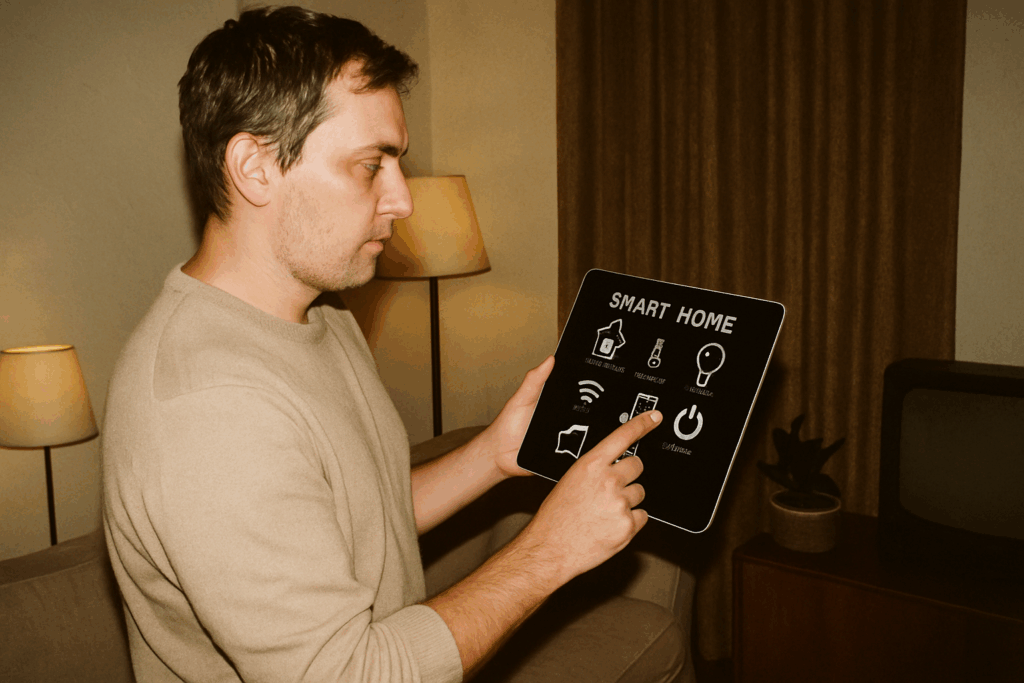
AI is quietly reshaping the home not with showy gadgets, but with technology that just works. We’re moving past voice commands and scheduled routines. In 2024, smart homes are less about control and more about autonomy, with devices anticipating what you need, not just reacting to it.
Take smart fridges. They’re now tracking nutrition based on what’s inside, suggesting meal plans, and even auto generating grocery lists. Some are nudging users toward better food choices without sounding like a lecture. Thermostats? They’ve evolved past temperature presets. They learn your habits so well, they adjust settings by the hour, sometimes even before you realize you’re cold.
What’s different this year is that these devices actually talk to each other. Your lights, music, security cams, and HVAC are syncing up without the chaos of ten apps. It’s quiet, seamless, and starting to look like the smart home everyone was promised a decade ago.
Less friction, less micromanagement. That’s the new baseline.
Wearables Go Pro
Wearables are no longer just about step counts and smartphone notifications they’re becoming all in one health, performance, and productivity tools. As 2024 unfolds, next level sensors and AI enhancements are pushing wearables into serious healthcare and lifestyle territory.
Smarter Smartwatches
The next generation of smartwatches is focused on noninvasive health diagnostics that previously required a trip to the clinic.
Continuous glucose monitoring without needles
Blood pressure tracking embedded discreetly
Better sleep stage detection and stress analysis
These features are turning wristwear into full fledged wellness monitors without adding bulk or complexity.
The Rise of the Smart Ring
Smart rings are becoming serious contenders in the wearables market, offering many of the same features as smartwatches without the screen.
Compact design with 24/7 wearability
Tracks heart rate variability, temperature, and readiness scores
Ideal for sleep and recovery analysis without wrist disruption
As functionality increases, smart rings are poised to replace multiple single purpose devices.
Beyond Fitness: Holistic Tracking
Fitness wearables are evolving into holistic lifestyle monitors, moving beyond calorie burns and step counts.
Mood tracking through biometric sensors
Hydration reminders based on sweat analysis or skin temp
Personalized recovery suggestions fueled by AI trend analysis
This shift reflects a growing demand for wellness tools that adapt to users in real time not just after a workout.
XR: The Big Leap Forward

What used to feel like science fiction is now shipping in sleek boxes. Augmented reality (AR) and virtual reality (VR) are finally crossing into the mainstream not because of flashy demos, but because fidelity has made a real jump. Visuals are sharper. Responsiveness is tighter. And the biggest win: headsets are no longer bricks strapped to your face.
Lightweight designs like Apple’s Vision Pro are shaping the new standard, making these tools viable for more than just gaming. Remote teams are using AR collaboration tools to mock up designs in 3D. Creators are filming mixed reality content straight from headsets. And productivity software is being rebuilt with spatial computing in mind.
What’s clear is this: XR is no longer a side quest. It’s being integrated into creative workflows, professional environments, and even daily routines. If you’re curious where it’s all heading and why Apple’s bet matters so much, check out What Apple’s Vision Pro Means for AR and the Tech Industry.
Sustainability Driving New Design
Sustainability is no longer a buzzword in consumer tech it’s a requirement. Whether you’re upgrading a phone or buying a new pair of earbuds, the pressure is on manufacturers to build smarter, cleaner, and longer lasting devices. Leading that charge: modular design. Swappable batteries, replaceable screens, and upgradeable internals are making a comeback, giving users more control and cutting down on landfill waste.
Solar assisted charging is another feature gaining traction. You’re now seeing it built into everyday gadgets backpacks that charge your devices, solar panels on the back of power banks, even phones with partial solar charging capability. It won’t fully replace wall sockets anytime soon, but it’s a solid step toward energy independence, especially for outdoor or travel heavy lifestyles.
Then there’s the materials game. Biodegradable plastics made from cornstarch or recycled e waste components are gradually replacing the worst offenders. It’s part progress, part public pressure. That combination is working slowly, but visibly. In a world where every unboxed gadget has a footprint, intentional design matters more than ever.
Audio Reinvented
Audio tech is no longer playing backup it’s front and center. Spatial audio is now baked into everything from smart speakers to laptops to gaming headsets. It’s not just for audiophiles or cinema nerds anymore. Ordinary users are getting surround sound experiences just scrolling through their phone or watching vlogs on a tablet.
Language translation earbuds are the quiet disruptors. Accuracy has shot up, lag is disappearing, and real time conversation across languages is actually doable. For travelers, remote teams, and multicultural households, this changes how people interact at the most basic level.
On a more personal note literally audio devices are now learning how you hear. Personalized sound profiles, calibrated using quick hearing tests, adjust everything from music to voice clarity without you lifting a finger. It’s not about volume anymore; it’s about clarity and nuance tailored to your ears alone.
Audio isn’t just clearer. It’s smarter, faster, and tuned to you.
Looking Ahead
The line between humans and machines isn’t blurring it’s being redrawn. In 2024, the consumer tech frontier isn’t just about smarter devices. It’s about human computer integration that actually works without getting in the way. Think wearables that respond instinctively to motion, voice, even biometrics. Tech that fades into the background until you need it, then steps in with precision.
At the core of this shift is a growing focus on ethical AI and privacy by design. Consumers are done handing over data with zero insight or return. The best tech now delivers experiences without being intrusive AI that adapts to your content habits without feeling like it’s watching your every move. Devices are starting to respond more like trusted companions than tools: intuitive, context aware, and surprisingly personal.
This evolution isn’t cosmetic. It’s infrastructure level change. Whether it’s a phone that handles your calendar like a capable assistant or a headset that knows when to dial down distractions, the future of consumer electronics is seamless, secure, and designed around real human needs.