

Apple’s Vision Pro: A Turning Point
The Vision Pro doesn’t just live in the growing pile of “mixed reality” headsets it redefines what a headset can be in 2026. Apple has built something that replaces the idea of a screen altogether and leans fully into the spatial future. This isn’t about strapping a flashy monitor to your face. It’s about walking into apps, glancing across your digital workspace, and interacting with information like it’s part of your living room.
At the core are three breakthroughs: spatial computing, precision eye tracking, and software that feels like it lives with you. Spatial computing gives objects weight and presence they’re aware of space, and so are you. It’s not just 3D; it feels like context aware computing. Eye tracking turns your gaze into the new cursor, making control both effortless and eerily fast. And the software? No weird interfaces or clunky transitions. Apps blend in, and the crossover with existing Apple devices is nearly frictionless.
Apple’s staking its claim on a big idea: spatial isn’t a niche it’s the next default. While others are pitching VR as escapism, Apple is betting people would rather enhance where they already are. No gamey controllers, no metaverse jargon. Just a new kind of interface that feels invisible until you need it.
The Vision Pro may be a first gen device, but it’s signaling something louder: in Apple’s world, the era of windowed computing is on the way out.
Evolving Role of Augmented Reality
Vision Pro isn’t just another headset. It’s Apple’s full throttle push to make AR part of everyday life not a novelty, but a tool. That matters. Before Vision Pro, AR mostly lived in optional features or marketing gimmicks. Now it’s showing up in workflows, classrooms, and creative studios.
In day to day productivity, users can layer virtual monitors across any physical space. In education, interactive 3D models make history, science, and art more tangible. Designers can sketch and manipulate objects midair. Remote workers can feel present with teammates in shared digital hybrid spaces. This isn’t passive viewing anymore it’s hands on, immersive, and useful.
Vision Pro elevates AR from overlay to environment. You don’t just see floating text you inhabit a layered information space. With camera driven eye tracking and spatial inputs, interaction becomes more natural. Less screen tapping, more doing.
This is what pushes AR past the tipping point: not novelty, but utility. That shift is what makes Vision Pro a catalyst, not a trend.
Competitive Ripple Effects Across Tech
Apple’s Vision Pro wasn’t just a product drop it was a signal flare. And now, the rest of the tech world is moving fast to respond.
Meta’s already deep in the AR/VR trenches, but it’s tightening focus on the mixed reality sweet spot: blending Oculus hardware with new, lower cost AR glasses set to roll out over the next 18 months. Google, meanwhile, is taking its usual long game approach less hardware flash, more OS muscle. Project Iris and enhanced ARCore tools suggest they’re betting on making Android the spine of a more open, modular augmented reality world. Samsung? They’re resurfacing with a joint XR platform in collaboration with Qualcomm and Google. Quietly confident, increasingly essential.
The real battleground, though, is software. Apple’s walled garden offers tight integration and premium UX, but it demands exclusivity. Open source challengers aim for reach across devices, across brands, across user types. That pull between vertical polish and horizontal access is defining the “AR OS war” now underway.
For developers, the consequences are immediate. Priorities are shifting fast toward immersive first design principles. This means building spatial interfaces instead of flat screens, integrating gesture and gaze, and thinking in terms of presence, not just interaction. Developers who get cozy with Unity, Unreal Engine, and spatial SDKs now will be better positioned six months from now. The future’s not mobile first anymore. It’s environment first.
Hardware Meets Edge
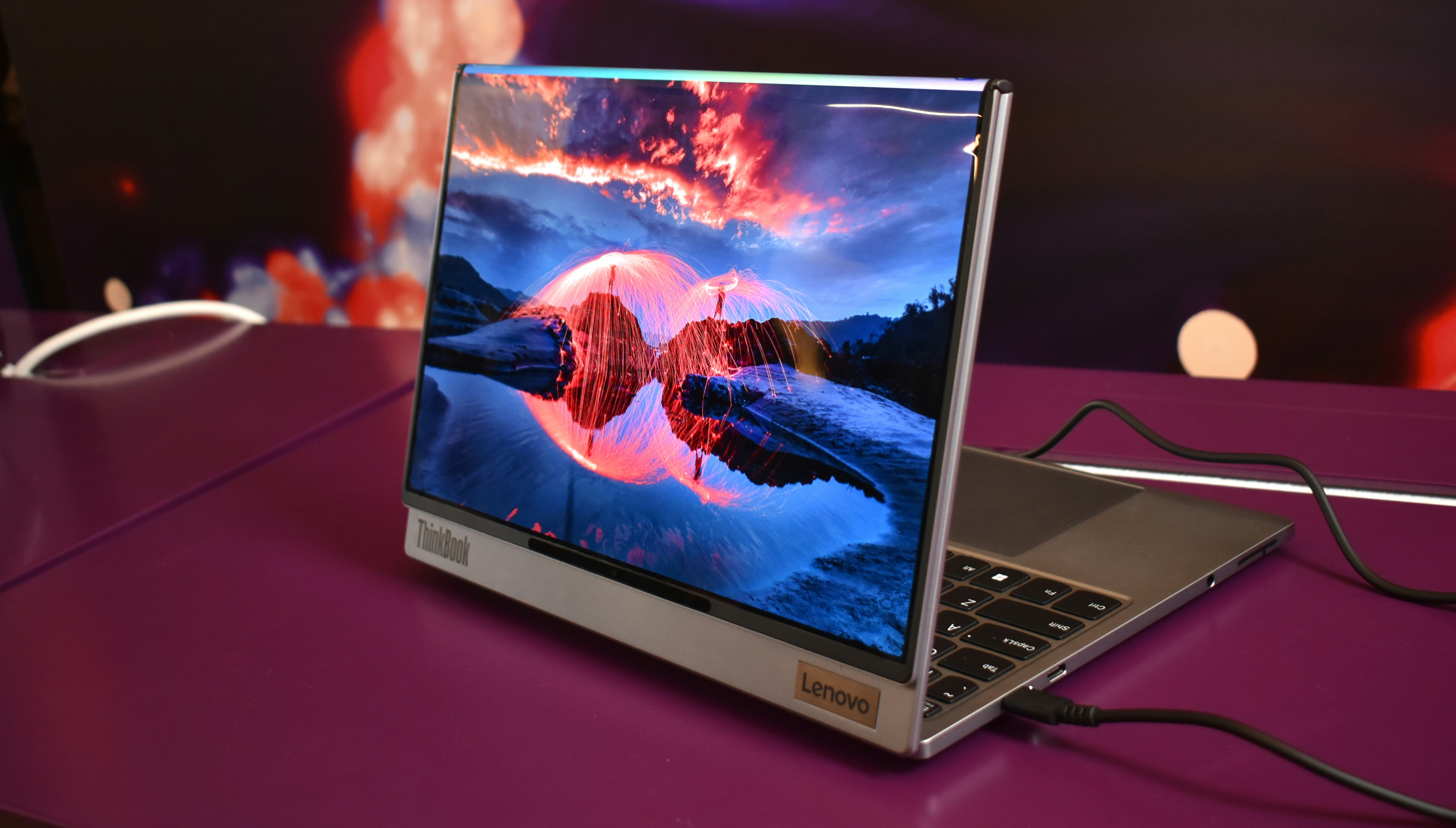
The Vision Pro isn’t just a headset it’s a performance beast. Rendering spatial environments in real time demands serious processing power. And doing it all without lag, heat, or latency balloons the stakes. This isn’t a job the cloud can do alone. That’s where edge computing comes in.
By processing data locally directly on the device or close to where it’s used Apple cuts the cord on round trip latency. That means faster responses, higher fidelity, and fewer dropped frames. It also boosts privacy; sensitive data like eye tracking and environmental scans stay onboard instead of floating off to some distant server.
This move is part of a bigger play. Apple’s leaning heavily into on device AI, reflecting a broader industry shift away from centralized models to smarter, more independent systems. It’s not just about speed it’s about control. Creators, developers, and users all benefit from fewer dependencies, less delay, and more direct performance.
Edge computing was once a niche term. Now it’s standard gear for next gen interfaces. For anyone building in AR or thinking long term about immersive tech, understanding this shift isn’t optional it’s foundational.
For more on what edge means in practice, check out The Rise of Edge Computing in 2026: News and Implications.
The Bigger Picture for Innovation
The Vision Pro isn’t just a shiny new gadget it’s a shot of adrenaline into a tech stack that was starting to feel sluggish. For years, hardware followed a script: sleeker phones, faster chips, brighter screens. Vision Pro skips ahead. It’s not about making screens better it’s about replacing them.
This shift marks the start of hybrid reality becoming a standard layer in how we work, play, and create. The lines between physical and digital aren’t just blurring they’re being redesigned. Spatial interactions, persistent AR environments, and input methods like eye tracking and gesture control are no longer fringe features. They’re quickly becoming user expectations.
Underneath it all, the tech stack is being rebuilt. Developers now have to think spatial first. Tools for depth mapping, latency optimized rendering, and multimodal input handling will become as essential as responsive design was in the mobile era. Expect a wave of frameworks, SDKs, and startups racing to lower the barrier for building in this blended space.
In short: the Vision Pro signals a reset. Not of computing but of how we structure our tools, experiences, and expectations moving forward.
Key Takeaways for Developers and Founders
The launch of Apple’s Vision Pro is a wake up call but not a lock in. Yes, Apple’s ecosystem is tight and appealing, especially for early adopters who want polished hardware and frictionless tooling. But if you’re building for the long game, staying platform flexible is essential. Vision Pro might lead the charge, but it won’t be the only player. Meta, Google, and others are iterating fast. Think Apple first, not Apple only.
On the technical side, immersive APIs are becoming standard, not nice to have. Developers should get comfortable thinking spatially from UI placement and gesture control to how audio cues guide users in 3D environments. This isn’t just screen with depth it’s a new medium. Spatial UX fundamentals are becoming table stakes.
Monetization in AR is also maturing. Beyond selling premium apps, creators can unlock revenue through interactive content packs, branded experiences, digital accessories, and in app purchases designed for lightweight, heads up displays. The tools are there. The audience is forming. The only thing missing is your execution.
Where the Industry Is Headed
We’re at the edge of a new computing era. Mobile isn’t going anywhere, but it’s no longer the ceiling. Wearables are starting to carry real responsibility beyond counting steps or buzzing notifications and spatial computing is pushing the boundaries harder than most people are ready for. Devices like the Vision Pro aren’t just gadgets; they’re early maps to a post screen world, where digital content exists in the same physical space as the user. That shift will change not just how we consume information, but how we interact with machines entirely.
The industry has seen this kind of disruption before. In 2007, few grasped that the iPhone would reshape everything from photography to transportation. The Vision Pro might be that kind of moment again. It’s bulky today, expensive, still niche but it lays the groundwork for what’s coming: a reality where digital and physical blend seamlessly. Developers, designers, and founders who understand this shift now will be the ones building the next wave of tools and experiences.
We’re in the early innings, no question. But the direction is clear. Computing is becoming more intuitive, more environmental, and more personal. The new normal won’t be a flat display it’ll be the world around you, reactive and responsive. That’s not science fiction anymore. It’s the roadmap.
 There is a specific skill involved in explaining something clearly — one that is completely separate from actually knowing the subject. Jorelle Xelvaris has both. They has spent years working with programming and coding tutorials in a hands-on capacity, and an equal amount of time figuring out how to translate that experience into writing that people with different backgrounds can actually absorb and use.
Jorelle tends to approach complex subjects — Programming and Coding Tutorials, Latest Tech News, Emerging Technologies being good examples — by starting with what the reader already knows, then building outward from there rather than dropping them in the deep end. It sounds like a small thing. In practice it makes a significant difference in whether someone finishes the article or abandons it halfway through. They is also good at knowing when to stop — a surprisingly underrated skill. Some writers bury useful information under so many caveats and qualifications that the point disappears. Jorelle knows where the point is and gets there without too many detours.
The practical effect of all this is that people who read Jorelle's work tend to come away actually capable of doing something with it. Not just vaguely informed — actually capable. For a writer working in programming and coding tutorials, that is probably the best possible outcome, and it's the standard Jorelle holds they's own work to.
There is a specific skill involved in explaining something clearly — one that is completely separate from actually knowing the subject. Jorelle Xelvaris has both. They has spent years working with programming and coding tutorials in a hands-on capacity, and an equal amount of time figuring out how to translate that experience into writing that people with different backgrounds can actually absorb and use.
Jorelle tends to approach complex subjects — Programming and Coding Tutorials, Latest Tech News, Emerging Technologies being good examples — by starting with what the reader already knows, then building outward from there rather than dropping them in the deep end. It sounds like a small thing. In practice it makes a significant difference in whether someone finishes the article or abandons it halfway through. They is also good at knowing when to stop — a surprisingly underrated skill. Some writers bury useful information under so many caveats and qualifications that the point disappears. Jorelle knows where the point is and gets there without too many detours.
The practical effect of all this is that people who read Jorelle's work tend to come away actually capable of doing something with it. Not just vaguely informed — actually capable. For a writer working in programming and coding tutorials, that is probably the best possible outcome, and it's the standard Jorelle holds they's own work to.