
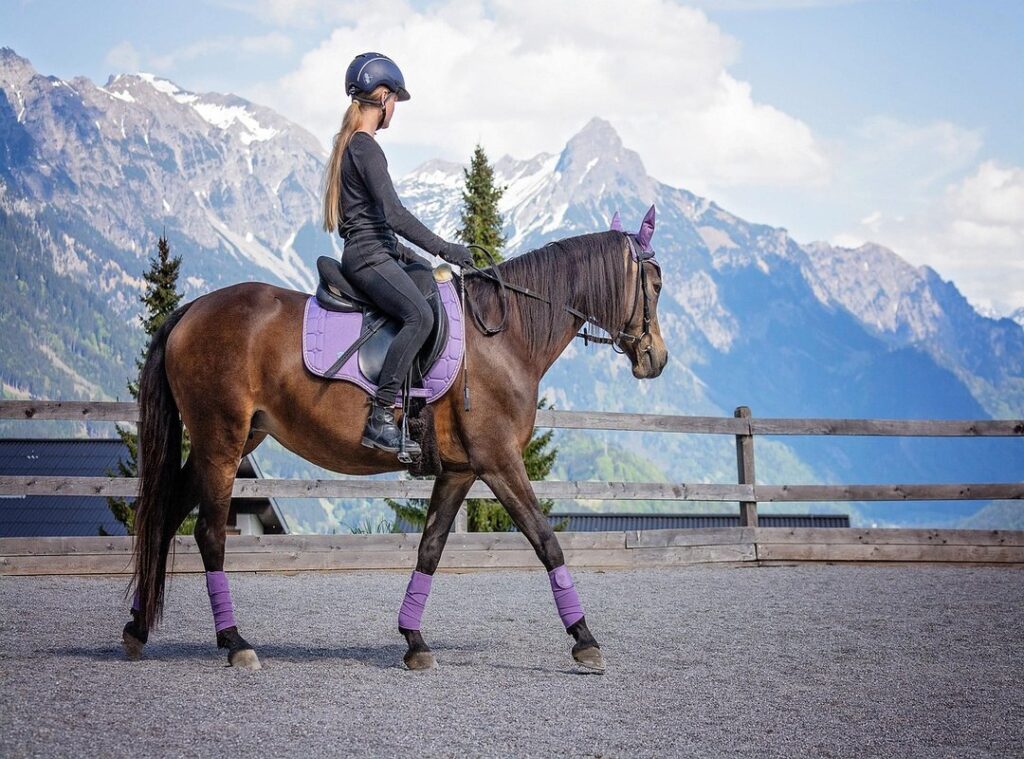
Picture this: a woman in flowing traditional attire, guiding a horse at speed, drawing a bow with precision and focus. It’s a sight that captures the essence of berkuda wanita bercadar memanah—a growing sport that blends heritage with athleticism.
This isn’t just about riding a horse or shooting an arrow. It’s a unique discipline where women who wear the niqab showcase their skills in a way that’s both graceful and powerful.
You’ll learn about the history of the sport, the unique skills and challenges involved, the necessary equipment, and how to get started.
I promise a comprehensive look into this visually stunning and skillful pursuit. We’ll move beyond surface-level curiosity to a deeper understanding.
So, are you ready to dive in?
Understanding the Art of Horseback Archery
Horseback archery is both a historical martial art and a modern competitive sport. It has deep roots in ancient cultures like the Scythians, Huns, and Turks.
The core objective is to shoot arrows accurately at targets while riding a horse. This requires a seamless partnership between the rider and the animal.
Modern revival of the sport appeals to those seeking to connect with historical traditions. It also offers a unique, holistic skill set.
The mental and physical demands are intense. You need core strength, balance, hand-eye coordination, and the ability to remain calm under pressure.
Different styles exist, such as Korean, Hungarian, and Turkish. Each style has its own nuances in technique and equipment.
Berkuda wanita bercadar memanah is a term you might come across, especially in regions where traditional practices are still honored.
This blend of history and modern competition makes horseback archery a truly unique and rewarding pursuit.
Practical Techniques for Riding and Shooting in a Niqab
How do practitioners maintain clear vision and safety while wearing a face veil? It’s a common question, and the answer lies in the types of niqabs used. Often, these are designed with a wider eye-opening or made from stiffer material that doesn’t shift easily, ensuring an unobstructed field of view.
Fabric choice is crucial. Lightweight, breathable materials like linen or cotton blends are preferred. These prevent overheating and snagging on equipment.
Specific techniques for managing clothing are also important. Tucking or securing garments ensures they don’t interfere with the bowstring’s path upon release. This is especially true in activities like berkuda wanita bercadar memanah.
Safety is the top priority. These adaptations are developed through practice to make the sport just as safe as for any other participant. Experienced archers and riders have shown that with the right gear and techniques, there’s no compromise on safety.
Essential Gear: From Bows and Arrows to Saddles and Attire

I remember the first time I tried berkuda wanita bercadar memanah. It was a mix of exhilaration and a bit of frustration. But with the right gear, it became a whole lot easier.
Let’s start with the bow. Traditional horse bows, like recurve bows, are shorter and more manageable on horseback. Longbows?
Forget about them, and they’re just too unwieldy when you’re moving. berkuda wanita bercadar memanah
The thumb draw is a must. It’s an old technique that works great for shooting from a moving platform. A thumb ring can help protect your thumb and improve your accuracy.
Now, let’s talk saddles. You need one that gives you freedom of movement. Treeless saddles or specific horseback archery saddles are ideal.
Riding without stirrups can also help with balance, though it takes some getting used to.
| Quiver Type | Description | Pros |
|---|---|---|
| Hip Quiver | Worn on the hip, easy access to arrows. | Quick and easy to reach arrows. |
| Back Quiver | Worn on the back, holds more arrows. | More arrows, less likely to snag on branches. |
| Bow Quiver | Attached to the bow, keeps arrows close. | Very convenient, reduces movement. |
Hip quivers are great for quick access, but back quivers can hold more arrows. Bow quivers keep everything close, which is handy but can be a bit cumbersome.
Choosing the right arrows is crucial. Durability is key, and the length should match both your bow and your own size. Too long or too short, and you’ll struggle with accuracy and power.
In the end, it’s all about finding what works best for you. Experiment, practice, and don’t be afraid to make adjustments.
A Step-by-Step Path to Getting Started Safely
Let’s be real. Combining archery and horseback riding can feel overwhelming. You’re not alone if you think, “How on earth do I manage both at the same time?”
First things first: master the two skills separately. Build your proficiency in archery on the ground. Get comfortable with the bow and arrow.
Then, become a confident, independent rider. Learn to guide the horse using leg and seat cues. Your hands will be busy with the bow, so this is crucial.
Now, let’s talk about combining the skills. Start by simply carrying the bow while walking the horse. This might seem simple, but it’s a big step.
Next, practice nocking an arrow and drawing the bow without shooting. It’s all about getting the feel and the rhythm right.
When you’re ready, move on to live shooting. Begin at a standstill, and then, progress to a walk.
Gradually increase speed to a trot or canter as your skill and confidence grow.
Here’s a tip: find a qualified instructor or join a club. Proper safety protocols are non-negotiable. Plus, expert coaching can make a huge difference.
Oh, and if you’re into berkuda wanita bercadar memanah, make sure you have the right gear and support. It’s all about safety and comfort.
Take it one step at a time, and don’t rush. The last thing you want is to get frustrated and give up.
A Modern Expression of Strength and Heritage
berkuda wanita bercadar memanah is a demanding and rewarding sport that requires dedication, skill, and careful preparation. Through specific techniques and equipment adaptations, it is practiced safely and at a high level of skill. This practice is a powerful expression of identity, blending faith, cultural heritage, and personal empowerment through sport.
It inspires us to see the universal human drive to pursue passion and master difficult skills, regardless of background or attire.
 There is a specific skill involved in explaining something clearly — one that is completely separate from actually knowing the subject. Randy Bennettacion has both. They has spent years working with latest tech news in a hands-on capacity, and an equal amount of time figuring out how to translate that experience into writing that people with different backgrounds can actually absorb and use.
Randy tends to approach complex subjects — Latest Tech News, Programming and Coding Tutorials, Emerging Technologies being good examples — by starting with what the reader already knows, then building outward from there rather than dropping them in the deep end. It sounds like a small thing. In practice it makes a significant difference in whether someone finishes the article or abandons it halfway through. They is also good at knowing when to stop — a surprisingly underrated skill. Some writers bury useful information under so many caveats and qualifications that the point disappears. Randy knows where the point is and gets there without too many detours.
The practical effect of all this is that people who read Randy's work tend to come away actually capable of doing something with it. Not just vaguely informed — actually capable. For a writer working in latest tech news, that is probably the best possible outcome, and it's the standard Randy holds they's own work to.
There is a specific skill involved in explaining something clearly — one that is completely separate from actually knowing the subject. Randy Bennettacion has both. They has spent years working with latest tech news in a hands-on capacity, and an equal amount of time figuring out how to translate that experience into writing that people with different backgrounds can actually absorb and use.
Randy tends to approach complex subjects — Latest Tech News, Programming and Coding Tutorials, Emerging Technologies being good examples — by starting with what the reader already knows, then building outward from there rather than dropping them in the deep end. It sounds like a small thing. In practice it makes a significant difference in whether someone finishes the article or abandons it halfway through. They is also good at knowing when to stop — a surprisingly underrated skill. Some writers bury useful information under so many caveats and qualifications that the point disappears. Randy knows where the point is and gets there without too many detours.
The practical effect of all this is that people who read Randy's work tend to come away actually capable of doing something with it. Not just vaguely informed — actually capable. For a writer working in latest tech news, that is probably the best possible outcome, and it's the standard Randy holds they's own work to.