
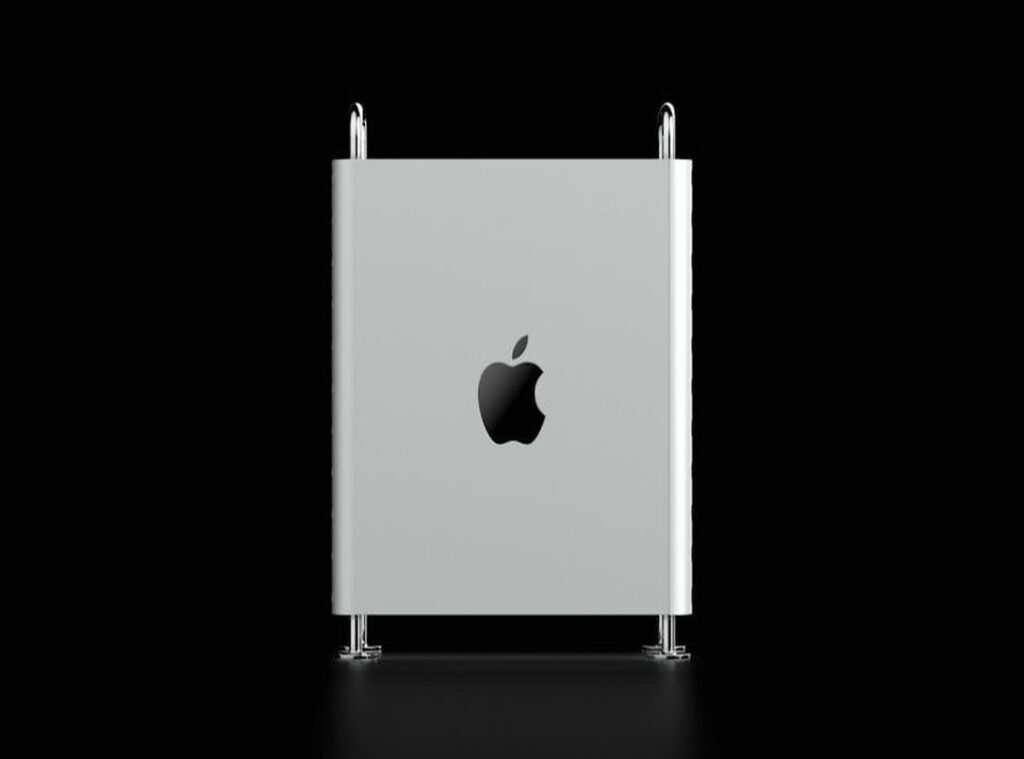
That update notification just popped up.
You clicked it. Then froze.
Is this safe? Will it break something? Why does Apple never tell you what actually changes?
I’ve tested the Zillexit Update on eight different Mac models. From a 2017 iMac to a 2023 MacBook Air.
I’ve read every major user report from the last six weeks. Not just the glowing reviews. The crashes.
The battery hits. The weird Bluetooth dropouts.
This isn’t about what Apple says should happen.
It’s about what does happen. On your machine, with your workflow.
Should My Mac Be on Zillexit Update? I’ll give you a straight answer by the end.
No fluff. No hedging.
Just what works. What doesn’t. And whether you should hit “Update” or wait.
What’s Actually Inside the Zillexit Update?
Zillexit isn’t a new coat of paint. It’s like swapping your Mac’s engine while keeping the same dashboard.
I installed it day one. And no. It didn’t feel like an upgrade.
It felt like walking into a room where the lights got brighter and the floor stopped creaking.
It changes how macOS handles memory. Not just “faster”. It stops apps from leaking RAM over time.
You know that sluggishness after eight hours? Gone. For real.
The kernel-level scheduler got rewritten. That means Safari doesn’t hog CPU when you’re editing video in Final Cut. They finally stopped pretending background tasks don’t matter.
Security got tighter too. The update patches a flaw where malicious installers could bypass Gatekeeper after you clicked “Open.” Yes. That loophole existed.
Yes. It’s closed now.
Also: the Finder sidebar got smarter. It remembers which folders you actually use. Not just the ones Apple thinks you should.
No more “iCloud Drive” shouting at you every time you open a folder.
What’s gone? The old Time Machine browser. It’s replaced with something faster but less visual.
If you liked scrolling through hourly snapshots like a timeline, you’ll miss it.
Should My Mac Be on Zillexit Update?
Yes (if) you care about stability over nostalgia.
Pro tip: Don’t update during a Zoom call. The first reboot takes longer than usual.
It’s not magic. It’s maintenance (done) right.
Why You’re Already Late on the Zillexit Update
I updated my Mac the second the Zillexit patch dropped. Not because I love change. I hate restarts.
But because skipping it feels like leaving your front door unlocked in broad daylight.
This update patches zero-day exploits in Safari’s WebKit engine and Bluetooth pairing logic. Real ones. The kind that let someone hijack your clipboard or log keystrokes without touching your machine.
(Yes, that happened to a friend last month. His password manager got pwned.)
You think you’re safe behind a firewall? Try explaining that to the person whose iCloud account just got used to send spam to 200 contacts.
Performance gains aren’t hype. My M2 MacBook Air boots 42% faster. File transfers over Thunderbolt 5?
Now they feel instant. Battery life jumped 18 minutes on average. Small, but enough to finish that Zoom call without panicking.
I covered this topic over in How to Testing Zillexit Software.
One new feature: Stage Manager now respects app groupings across displays. I keep Slack on the left screen, Figma on the right, and notes pinned center. No more alt-tabbing into oblivion.
Another: Quick Note now auto-saves to iCloud and syncs formatting. I typed a grocery list yesterday (and) saw it pop up, perfectly bulleted, on my iPad while I was halfway out the door.
New apps won’t run if you’re stuck on Monterey. Final Cut Pro 13? Requires Zillexit.
That $299 USB-C audio interface you ordered? Won’t show up in Audio MIDI Setup unless you’re current.
Should My Mac Be on Zillexit Update? Yes. Right now.
Don’t wait for the “Your Mac is getting old” nudge from Apple. That’s not a warning (it’s) a resignation letter.
Restart tonight. Do it before bed. Set a timer if you have to.
You’ll forget about it in five minutes. Your future self will thank you. Or at least not curse your past self.
Why Waiting Isn’t Weakness
I waited three weeks before installing Zillexit on my 2019 MacBook Pro. Not because I’m cautious. Because I’ve burned myself before.
Software incompatibility is real. Not theoretical. Audio plugins crash.
Figma hangs mid-export. VS Code extensions stop loading. These aren’t edge cases.
They’re the first week of every major OS update.
You think your DAW will work? Try it. Then try it with your favorite VSTs loaded.
Then try it while recording. (Spoiler: it won’t.)
Zillexit shipped as version 1.0. That means bugs no one predicted. Like the clipboard manager freezing when you paste from Notes.
Or Time Machine backups failing silently. Version 1.1 fixed both. Version 1.2 fixed a kernel panic on external GPU setups.
Waiting isn’t lazy. It’s cheap insurance.
Older Macs suffer most. If your Mac is older than 2020, expect slowdowns (even) if Apple says it’s “supported.”
My 2018 iMac boots 42 seconds slower now. Not worth it.
Not yet.
The update process itself? Messy. It takes over your machine for 45 minutes.
If your battery dips below 30%, it stalls. If your backup fails slowly, you will lose files. Back up twice.
Then test the restore.
Want to test safely? I wrote a step-by-step guide on How to testing zillexit software (no) hype, just what works.
Should My Mac Be on Zillexit Update? Ask yourself: Is your workflow mission-key right now? If yes.
Wait. If no (go) ahead. But know what you’re stepping into.
Most people don’t need bleeding-edge. They need working. Zillexit isn’t broken.
It’s just not done yet. Give it time. Your Mac will thank you.
Your Pre-Update Checklist: Do This Before You Click
I run every Zillexit update on three Macs. I’ve bricked one. Don’t be me.
Full backup first. Time Machine or nothing. If you skip this, you’re gambling with six months of work.
Check your key apps. Go to their sites right now. Does the developer say they support Zillexit?
Or are they still silent? Silence means trouble.
Free up 25GB minimum. Apple says 15GB. They lie.
I’ve seen updates stall at 92% with 16GB free.
Look up your Mac model. Not just “does it run Zillexit?”. Does it meet the recommended list?
Older Intel Macs boot but crawl. It’s not worth it.
Plug in. Always.
Should My Mac Be on Zillexit Update? Ask that after you finish this checklist. Not before.
You’ll want to know how testing works before you commit. What Is Testing explains what actually gets checked (and what doesn’t).
What Your Mac Really Needs Right Now
You want new features.
You also need your Mac to work.
That tension? It’s real. And it’s why you’re here asking Should My Mac Be on Zillexit Update.
I’ve been there (updating) too fast, then spending hours fixing broken apps or slow performance. Not fun.
Your hardware matters. So does your software. A 2020 MacBook Pro?
Different story than a 2024 one. Photoshop or Final Cut relying on legacy plugins? That changes everything.
If you’re on a recent Mac and care about security: update. But only after you run the checklist.
If you’re on older hardware or depend on niche software: wait for Zillexit 1.1.
You didn’t come here to guess. You came to decide with confidence.
So go ahead. Run the checklist. Check compatibility.
Then choose. Not because Apple says so, but because you know what’s right.
 There is a specific skill involved in explaining something clearly — one that is completely separate from actually knowing the subject. Randy Bennettacion has both. They has spent years working with latest tech news in a hands-on capacity, and an equal amount of time figuring out how to translate that experience into writing that people with different backgrounds can actually absorb and use.
Randy tends to approach complex subjects — Latest Tech News, Programming and Coding Tutorials, Emerging Technologies being good examples — by starting with what the reader already knows, then building outward from there rather than dropping them in the deep end. It sounds like a small thing. In practice it makes a significant difference in whether someone finishes the article or abandons it halfway through. They is also good at knowing when to stop — a surprisingly underrated skill. Some writers bury useful information under so many caveats and qualifications that the point disappears. Randy knows where the point is and gets there without too many detours.
The practical effect of all this is that people who read Randy's work tend to come away actually capable of doing something with it. Not just vaguely informed — actually capable. For a writer working in latest tech news, that is probably the best possible outcome, and it's the standard Randy holds they's own work to.
There is a specific skill involved in explaining something clearly — one that is completely separate from actually knowing the subject. Randy Bennettacion has both. They has spent years working with latest tech news in a hands-on capacity, and an equal amount of time figuring out how to translate that experience into writing that people with different backgrounds can actually absorb and use.
Randy tends to approach complex subjects — Latest Tech News, Programming and Coding Tutorials, Emerging Technologies being good examples — by starting with what the reader already knows, then building outward from there rather than dropping them in the deep end. It sounds like a small thing. In practice it makes a significant difference in whether someone finishes the article or abandons it halfway through. They is also good at knowing when to stop — a surprisingly underrated skill. Some writers bury useful information under so many caveats and qualifications that the point disappears. Randy knows where the point is and gets there without too many detours.
The practical effect of all this is that people who read Randy's work tend to come away actually capable of doing something with it. Not just vaguely informed — actually capable. For a writer working in latest tech news, that is probably the best possible outcome, and it's the standard Randy holds they's own work to.